Optimize Crop Management with Timely Alerts
Stay ahead in crop management by receiving timely alerts about bloom timing changes. Leveraging satellite data and machine learning models, you can optimize pollination, harvesting, and overall crop management.
Satellite Data Sources
Our predictions are powered by cutting-edge NASA satellite data and climate monitoring systems
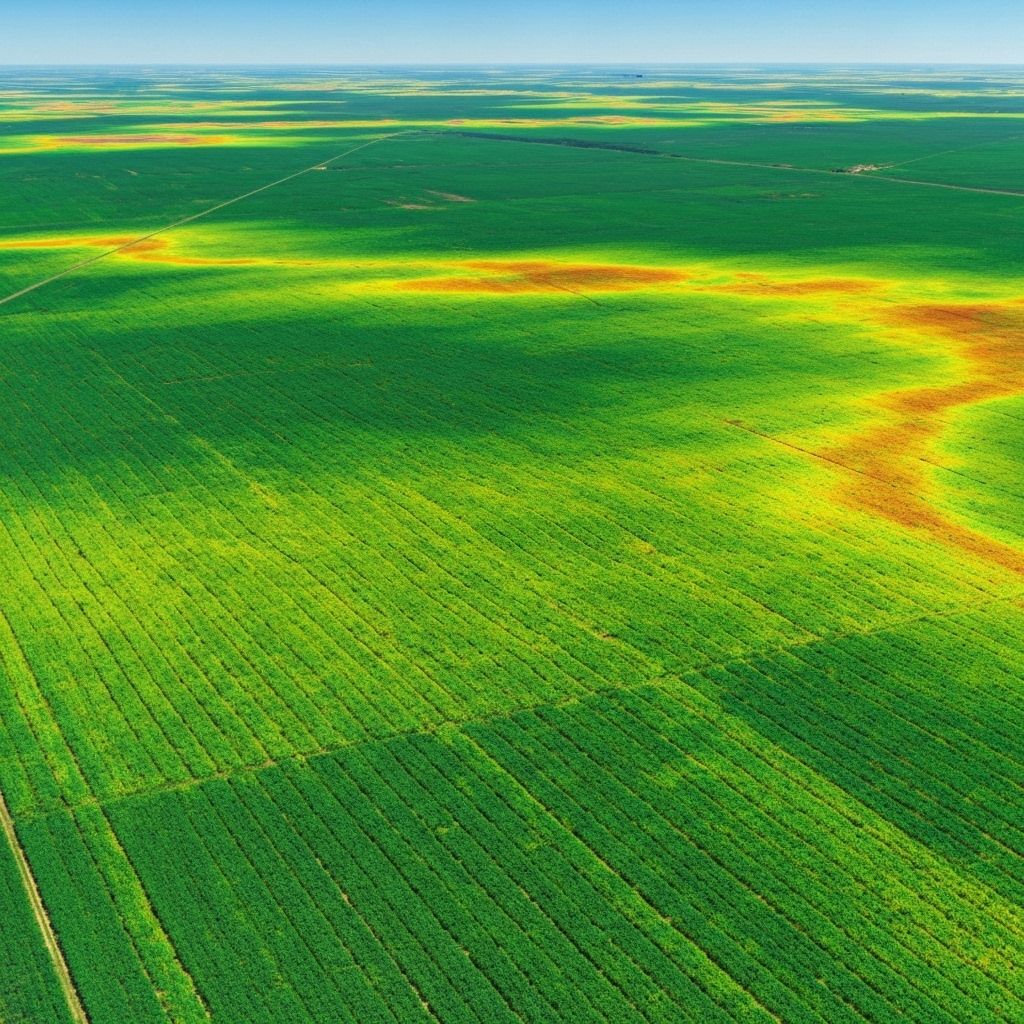
MODIS NDVI
Normalized Difference Vegetation Index provides vegetation indices that help monitor crop phenology and potential crop yield. By analyzing NDVI time series, farmers can detect the start of the growing season, monitor crop health, and predict harvest times.
View MODIS Data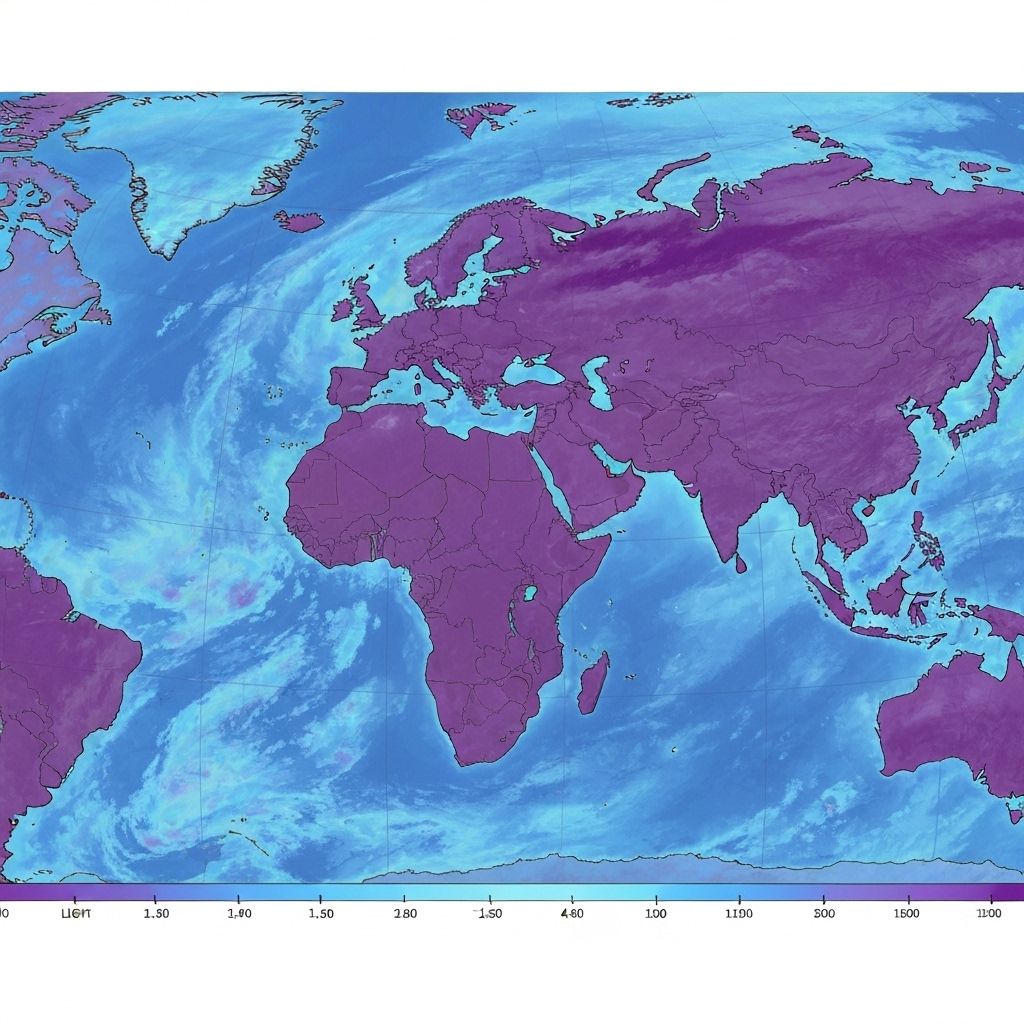
GPM Rainfall Data
The Global Precipitation Measurement mission offers next-generation global observations of rain and snow. These observations are crucial for understanding precipitation patterns, which directly affect crop growth and yield predictions.
View GPM Data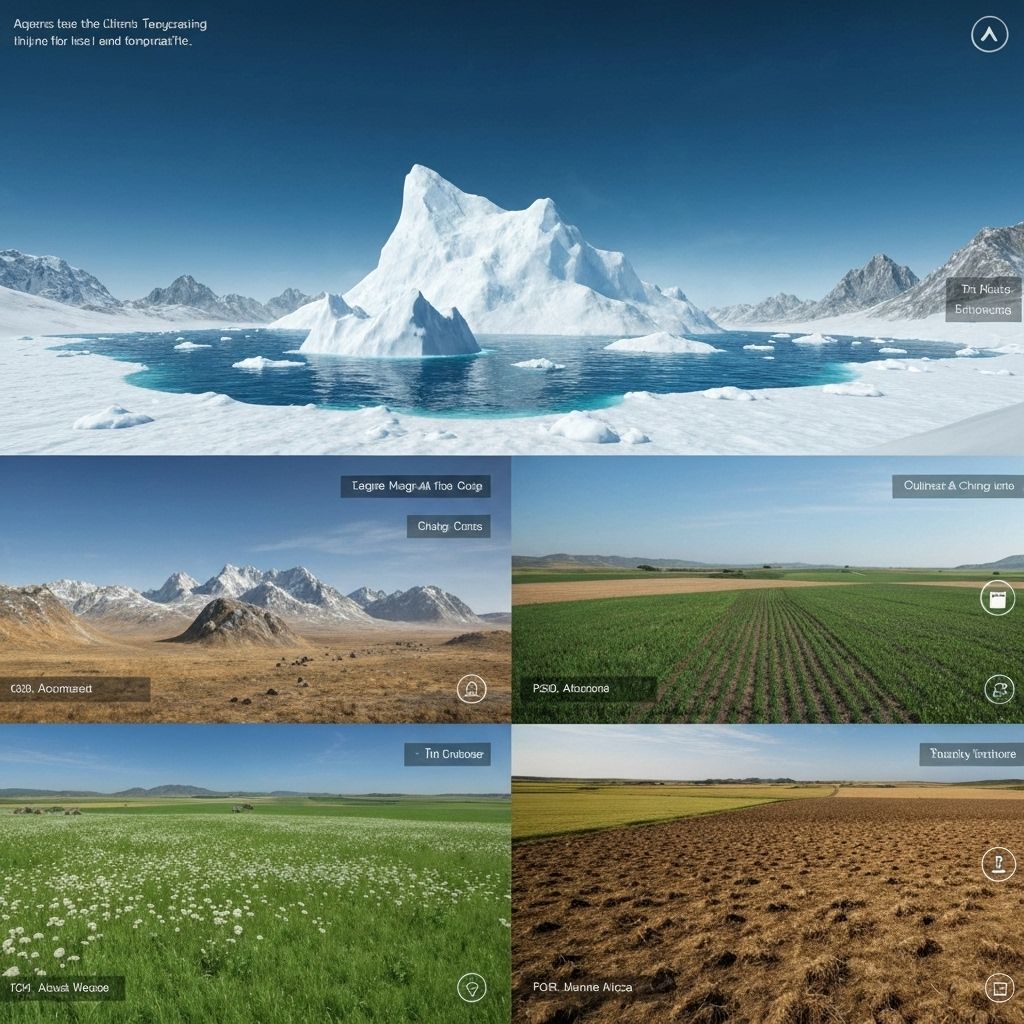
MERRA-2 Temperature
MERRA-2 provides atmospheric temperature data that can be used to assess crop growth conditions. By analyzing temperature trends, farmers can predict bloom timing and adjust their management practices accordingly.
View MERRA-2 DataPrediction Accuracy
Our machine learning models analyze satellite data (MODIS NDVI), precipitation (GPM), temperature (MERRA-2), and local agricultural reports to forecast bloom timing 7–14 days in advance with 87% accuracy.
Validated against ground-truth observations from farms across multiple regions and crop types
Bloom Timing Predictions vs Actual
Days from planting to bloom onset
Training Data
Historical bloom records combined with satellite vegetation indices (NDVI) from multiple growing seasons across diverse geographical regions and crop varieties.
Validation
Cross-checked against ground-truth observations from farms, ensuring our predictions align with real-world bloom events and agricultural outcomes.
Performance Metric
Accuracy is calculated using the formula:
Accuracy Across Crop Types

ML Prediction Model
Our neural network architecture processes multi-temporal satellite imagery and climate data to identify bloom patterns with high precision.

Data Integration
Seamless fusion of MODIS NDVI, GPM precipitation, and MERRA-2 temperature data creates a comprehensive view of crop phenology.
87% Accuracy Rate
Our machine learning models, trained on satellite data and local agricultural reports, achieve up to 87% accuracy in predicting bloom timing.
7-14 Days Advance Notice
Receive predictions 7-14 days in advance, giving you ample time to prepare and adjust your farming practices.
Optimized Crop Management
Make informed decisions about irrigation, fertilization, and harvesting, leading to optimized crop yields and reduced waste.
How It Works
- 1
Data Collection
Satellite sensors continuously monitor vegetation, temperature, and precipitation patterns.
- 2
ML Analysis
Machine learning models analyze historical and real-time data to identify bloom patterns.
- 3
Timely Alerts
Receive SMS, email, or app notifications with actionable insights for your crops.
Learn More
Discover how satellite data and machine learning are transforming agriculture
Machine Learning for Crop Phenology
Learn how ML models predict crop development stages using satellite data
Remote Sensing for Bloom Prediction
Discover how satellite imagery enables accurate bloom timing forecasts